
Why Injection Resins Are the Future of Waterproofing Repairs
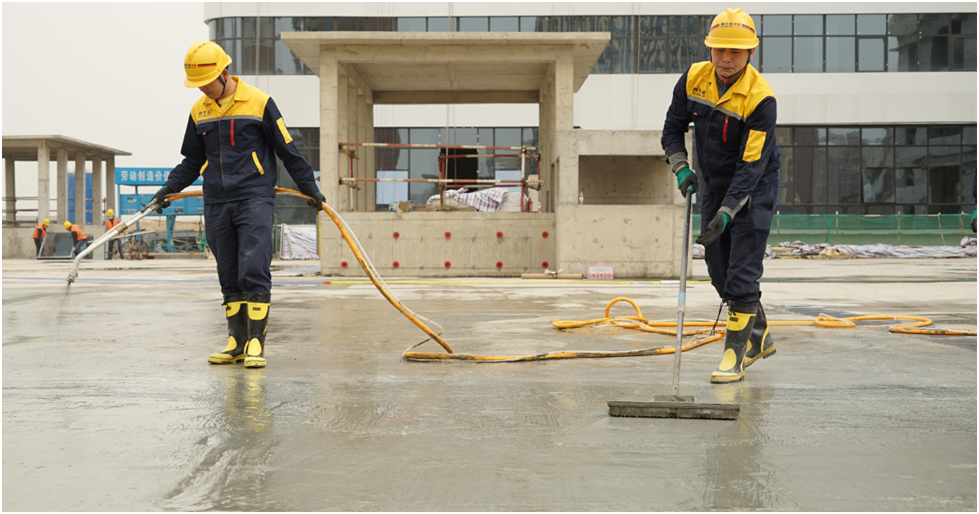
Erosion due to water ingress is the most common and damaging problem for concrete structures. Whether it’s from basements to tunnels, or from water tanks to parking garages, interior leaks not only compromise the building’s durability but also compromise the security and safety of occupants. Conventional waterproofing methods struggle with live leaks, concealed cracks, or aging structures.
It’s here that injection resins are changing the way we look at waterproofing repairs—and Velosit</strong> is leading this change.
The Growing Challenge of Waterproofing Repairs
Modern structures are exposed to:
- Hydrostatic pressure from groundwater
- Cracks due to shrinkage and settlement of concrete
- Aging construction joints
- Aggressive chemicals and moisture cycles
Waterproofing systems wrapped around a surface clothed with sand also have difficulty eliminating leaks when water paths run deep within the concrete. Repairing those problems requires a remedy that accesses the system, not merely settles for its surface.
What Are Injection Resins?
In a nutshell, injection resins are tailor-made materials, including polyurethane (PU), epoxy, and acrylate resins, that are injected under pressure into fissures, voids, and joints of concrete structures. Once injected, these resins:
- React with water or air.
- Grow or stick oneself on the crack.
- Permanently seal water pathways.
Injection resins are designed for fast reaction, deep penetration, and long-lasting rehabilitation in difficult site conditions.
Why Injection Resins Are the Future of Waterproofing
1. Permanent Leak Sealing
Unlike coatings, epoxy and urethane resins prevent water leaks throughout the entire wall surface. This will provide long-lasting water resistance, even under gravity and pressure, after the water stops.
2. Ideal for Active Water Leaks
Injection Resins – in particular, hydrophilic and hydrophobic PU systems – can set and cure in contact with actively flowing water, which is ideal for emergency sealing when traditional systems cannot be relied on.
3. Minimal Disruption & Faster Repairs
Injection waterproofing:
- Requires no excavation
- Preserves existing structures
- Reduces downtime
Fast-response resin technology from Velosit enables shorter repair times, saving on production and labor costs.
4. Versatility Across Applications
There are a few applications for injection resins:
- Basements and foundations
- Tunnels and subways
- Water tanks and sewage systems
- Dams, bridges, and parking structures
Velosit provides customizable injection systems for both structural and non-structural waterproofing applications.
5. Ground Better Performance on Wet and Soggy
A variety of injection resins are designed to work in wet or water-saturated soil materials and can therefore be more reliable than traditional waterproof membranes.
6. Long-Term Durability
High-quality injection resins:
- Be rigid or something osseous as need be.
- Resist chemicals and environmental stress.
- Accommodate structural movement
Velosit’s superior formulations provide long-term protection even in harsh operating conditions.
Injection Resins vs Traditional Waterproofing
Traditional Methods Injection Resin Waterproofing
Surface-level protection Internal crack sealing
Often temporary Long-term solution
Requires excavation Non-invasive
Limited for active leaks Works with flowing water
The Future Is Internal Waterproofing
With ever-aging infrastructure and increasing demands on construction, you need waterproofing that is quicker, smarter, and more resilient than ever. That’s where injection resins come in; because they fix leaks at their point of entry, it is safe to say they’re the future of waterproofing repair.
Through new approaches from Velosit, injection resin technology can now provide engineers and contractors with highly cost-effective, durable waterproofing solutions.
Recent Post
- CSA Cement and Why It Matters in Modern Construction
- Fast-Track Construction: How Velosit Canada is Revolutionizing Concrete Repair
- Why Injection Resins Are the Future of Waterproofing Repairs
- Why Self-Levelling Screed Is Becoming the Preferred Solution for Commercial Flooring
- The Price of Poor Waterproofing: Mistakes to Watch Out For
